


Fiber Cement Board Cutting Machine Manufacturer: Evidence from Workshop to Installed Line

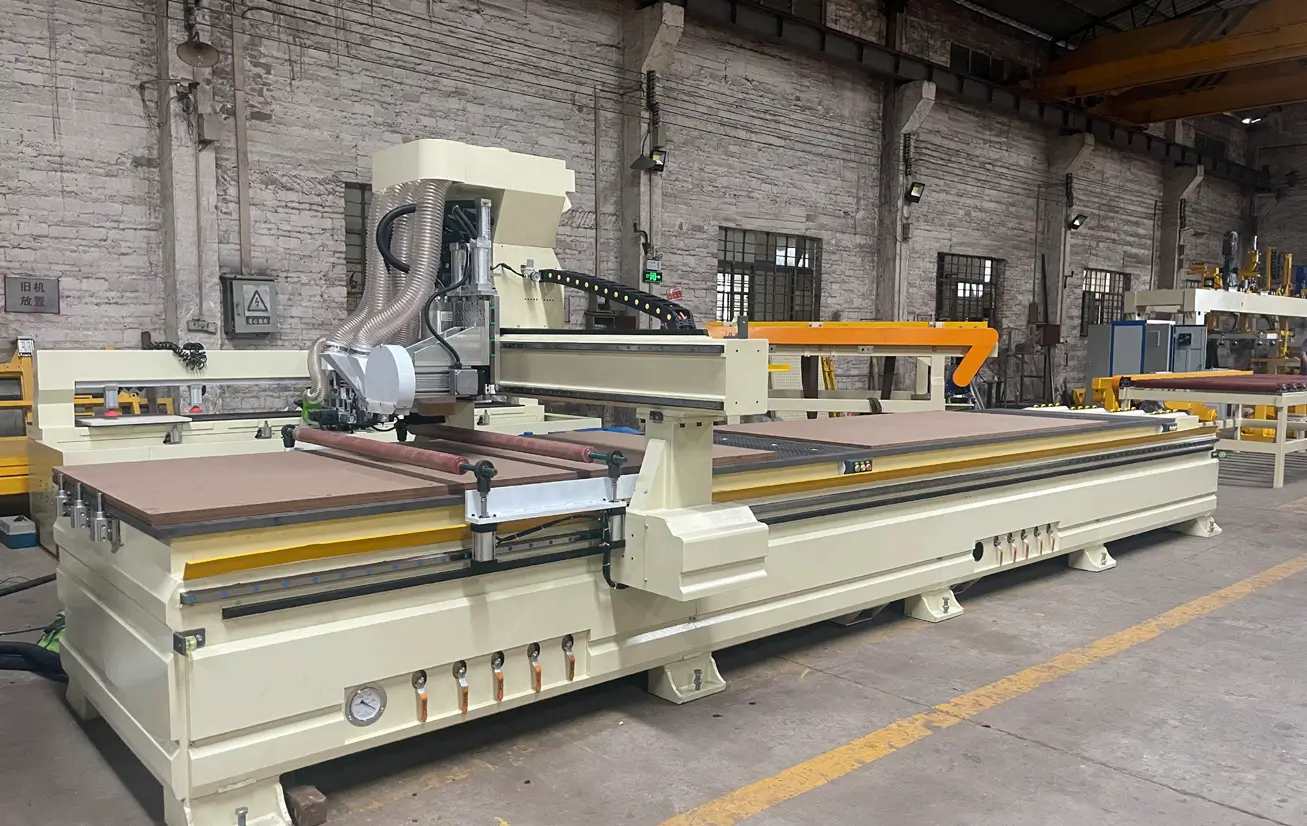
When a buyer evaluates a Fiber Cement Board Cutting Machine Manufacturer, an attractive cutting-machine photograph is not enough to prove that the supplier can deliver a workable installation. The decision is about manufacturing evidence, equipment responsibility and a machine that can handle the buyer’s cured-board dimensions in the actual factory. The purchasing team should identify the sheet material and sizes, the incoming and outgoing conveyors, the required finished edges and the tests that will demonstrate acceptable cutting. Zhonghong documents a Board Cutting Machine for cured fiber-cement and calcium-silicate sheets and describes machinery manufacturing, electrical engineering, installation and commissioning services. It also offers Roller Conveyors, Sanding Machines, Grinding & Chamfering Machines and Electrical Control Cabinets in its equipment range. Those verified functions are useful starting points, but the buyer still needs the drawings and inspection plan for the precise cutter offered.
A building-board factory replacing an old cutter faces different supplier risks from a distributor creating a small finishing workshop. The first has retained machinery, a short production shutdown and interfaces that must match what is already installed. The second needs a coherent route for receiving cured sheets, trimming them and inspecting the final sizes. Both may look for a manufacturer rather than a trading intermediary, but each should ask for evidence tied to its own operating scenario.
What should the cutting-machine manufacturer’s drawings actually establish?
A useful set of machine drawings explains the material entering the cutter, the working operation and how the finished board leaves. It should identify the supplied mechanical assemblies, relevant electrical components and installation interfaces rather than present only an overall photo. A buyer can compare engineering proposals once the same board and operating requirements are used for each.
The cured board must be defined before cutting hardware is selected
Zhonghong’s Board Cutting Machine performs post-curing dimensional work. A different product in its catalog, the Waterjet Cutting System, sizes green sheets earlier in the manufacturing process. The distinction matters in supplier selection: a manufacturer experienced with wet-board transport has not thereby demonstrated the same cutter or process for a rigid cured sheet. The order should specify which operation is being purchased and what board condition it assumes.
For an operating factory, the buyer can supply real samples and observations about damaged or rejected boards. For a new finishing hall, the first commercial product must be defined well enough for the manufacturer to design its support and measurement plan. No fixed cutting speed, blade model or universal tolerance has been established in the reviewed Zhonghong catalog. Quoting those values as manufacturer facts without a machine-specific drawing would be misleading.
Finishing-line interfaces belong on the same approved drawing
The cutter may be preceded by a Board Splitter or Sanding Machine and followed by a conveyor or unloading device depending on the product. A supplier that manufactures only the cutter still needs to explain its receiving and discharge connections. Zhonghong lists Roller Conveyors and Board Loading & Unloading Machines, but their inclusion in one quotation should be confirmed rather than inferred from their appearance elsewhere in the product range.
Consider a retrofit where the existing discharge conveyor sits at an inconvenient elevation. A newly fabricated cutter may perform perfectly in a workshop but fail to deliver boards into the retained equipment. A supplier should request accurate site measurements and name any additional mechanical or electrical work required. That is a more useful manufacturer audit than asking only whether the machine frame was manufactured in-house.
Factory acceptance can confirm machinery, not every finished-board result
A purchasing team may want to visit a workshop or review manufacturing records before shipment. That inspection can identify equipment assemblies, the approved machine configuration and selected functional tests. The result should be recorded with the actual order. A cutting-machine supplier cannot use a workshop demonstration on an unrelated sample to guarantee the product quality of every board that will later be made by the customer’s factory.
Machine identity and assembly evidence should match the purchase schedule
The project file should connect each manufactured unit to drawings and the agreed machinery schedule. The buyer can inspect relevant cutting, transport, electrical and protective functions as specified. Zhonghong’s company information describes manufacturing capabilities and technical services, but does not publish a fixed test report for every possible cutter. A trustworthy supplier provides evidence relevant to the machine being delivered rather than a generic factory certificate belonging to another equipment category.
For an international purchase, this also helps the receiving team identify what arrives in each shipment. A fabricated cutter structure, conveyor extension and control cabinet may be packed separately. The buyer should receive matching identifiers, assembly references and appropriate lifting or receiving information. These are project deliverables to request; the site does not establish one universal packing method or lead time for every machine.
Finished dimensions have to be tested on the customer’s board
Mechanical acceptance of a cutter does not establish the dimensions of a finished board made from an unspecified formulation. The project must define which product is to be cut, how measurements will be performed and what condition is accepted at discharge. If the factory sells panels with different edge details, those variants should be represented in the trial or identified as future options.
A distributor may want to produce several standard lengths from one stock-board format. A factory producing a single launch panel has a narrower acceptance case. Both require an equipment demonstration appropriate to the intended commercial output. The finished-board cutting article examines the machinery decision; the manufacturer audit addresses what evidence and responsibilities should accompany it.
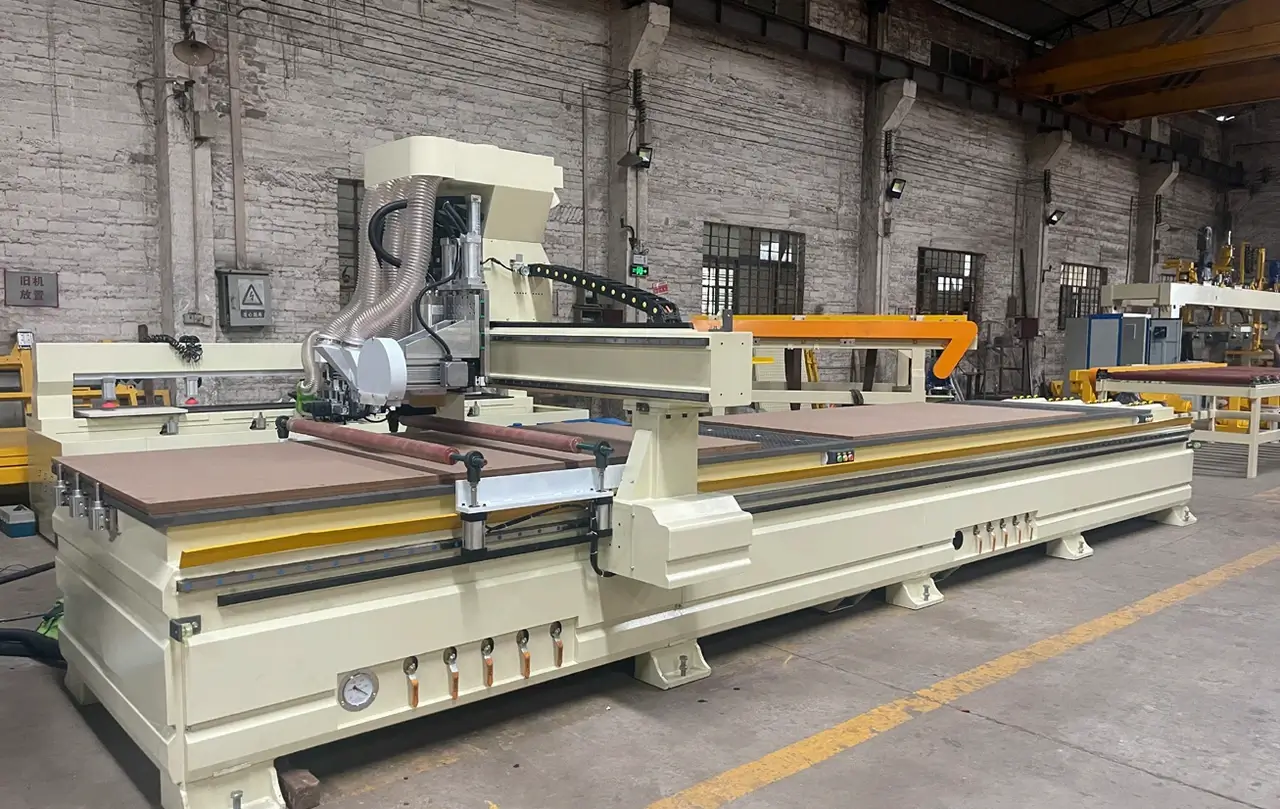
What is included when the manufacturer also offers line integration?
Building-board production includes several equipment stages, and suppliers may quote different boundaries. An individual cutter can be a legitimate standalone purchase. Another proposal might include conveyors, control cabinets, edge processing and installation support. A manufacturer comparison is meaningful only when the included scope and related exclusions are visible.
Sanding and chamfering should remain separate deliverables when needed
Zhonghong’s Sanding Machine is documented for broad surface and thickness finishing, while its Grinding & Chamfering Machine prepares cured-board edges. A Board Cutting Machine controls another dimension of the final product. A supplier should show where each stage fits and why it is included for the intended board. A factory that does not sell chamfered panels may not need edge-processing machinery in the first investment phase.
A contractor sourcing a particular panel size and edge detail should provide an approved drawing to the manufacturer. The quote can then distinguish cutting, surface treatment and edge machining rather than describing them all as one precision operation. The buyer can verify that each machine’s acceptance criterion corresponds to the function it is intended to perform.
Automation scope should be expressed as events between stations
Zhonghong offers Electrical Control Cabinets and PLC-based Intelligent Line Control Systems. Their availability gives a basis for discussing integrated operation but does not prove that any particular cutter has advanced analytics or every desired signal preconfigured. The buyer should ask which information the cutter sends, which conditions prevent a board entering an occupied station and how production is restarted after a controlled stop.
A retained sanding machine from another manufacturer may exchange signals differently from a newly supplied cutter. The contract must identify who will provide wiring and logic changes so the equipment can run together. A machine maker’s responsibility cannot be determined from a general statement that its plant is automatic. It is established by drawings, interface schedules and agreed tests.
Spare parts and maintenance evidence are part of a long-term cutter purchase
A cutting system will need suitable operating instructions and maintenance provisions over its service life. The exact wear components depend on the machine delivered, not simply the product name. The manufacturer should provide an identified part schedule and safe-service information appropriate to its actual design. No universal spare inventory, abrasive or blade life, or warranty term has been confirmed on the public Zhonghong machinery page.
Ask how a replacement component will be identified years later
For an established factory running the cutter for many years, the ability to match a replacement component to its equipment revision can be commercially important. A supplier should preserve part references, relevant drawings and any changes made to the delivered design. This is especially helpful where the machine is connected to older conveyors or control cabinets that will remain when the cutter is later upgraded.
Suppose a distributor’s finishing workshop has a production interruption caused by a damaged cutting component. An unambiguous machine identity and part reference can help the owner communicate with the manufacturer without guessing from photographs. It would be inappropriate, however, to promise a fixed delivery time or availability for an unspecified spare; those terms must be negotiated for the actual machine and customer location.
Service access and dust management affect the installed equipment
Cutting cementitious sheets can produce dust or other waste depending on the material and cutting method. A manufacturer should specify the actual guarding, extraction connections and servicing access included in the proposed cutter. Industrial machinery safety principles inform the need for risk assessment, but they do not certify an unverified dust collector or show that every safety feature is included in a basic price.
A factory upgrading its cutting hall should compare available extraction, utility connections and working space with the proposed machinery. If additional site services are required, the supplier should identify them before shipment. A low machine price can conceal significant interface work when the quotation excludes material handling, protection or installation tasks that are essential to a working line.

The owner’s purchasing team may also request a demonstration of how a proposed cutter handles a board that is not ready for discharge. This is not a request to create an unsafe operating condition; it is a planned test of the control response under the supplier’s approved procedure. If the downstream receiving conveyor is occupied, the installed system should behave according to its documented logic. Such a trial provides evidence about the interface between the machine maker and the retained factory equipment, which a workshop inspection of an isolated cutter cannot establish.
Compare manufacturers by the records they will hand over
Before purchase, the factory should have a defined product, the required final cutting result and an equipment schedule that identifies every included machine. Before delivery, it should receive the relevant manufacturing and inspection documentation. Before operational acceptance, it should observe a trial using the intended board and the actual neighbouring stations. These are different milestones and should not be replaced by a broad claim that the manufacturer provides a turnkey service.
The strongest acceptance test follows the board through the installed cutter
A useful site trial starts with the cured board in its real incoming condition, follows it through cutting and verifies dimensions, edge condition and successful discharge. If the plant has two important product sizes, the test can also examine the change between them. A manufacturer that offers installation and commissioning should state what it will demonstrate and which input conditions remain the owner’s responsibility.
The company’s manufacturing and engineering overview identifies the wider services that may support a project. Its equipment range shows related cutting and finishing machines. A cutting-machine manufacturer earns a buyer’s confidence when the inspected equipment, approved drawings, spare-part information and finished-board trial all refer to the same actual machine and product. That evidence is more useful than a list of impressive but undocumented production claims.