


Fiber Cement Roofing Sheet Machine Supplier: Verify the Tooling Before Buying

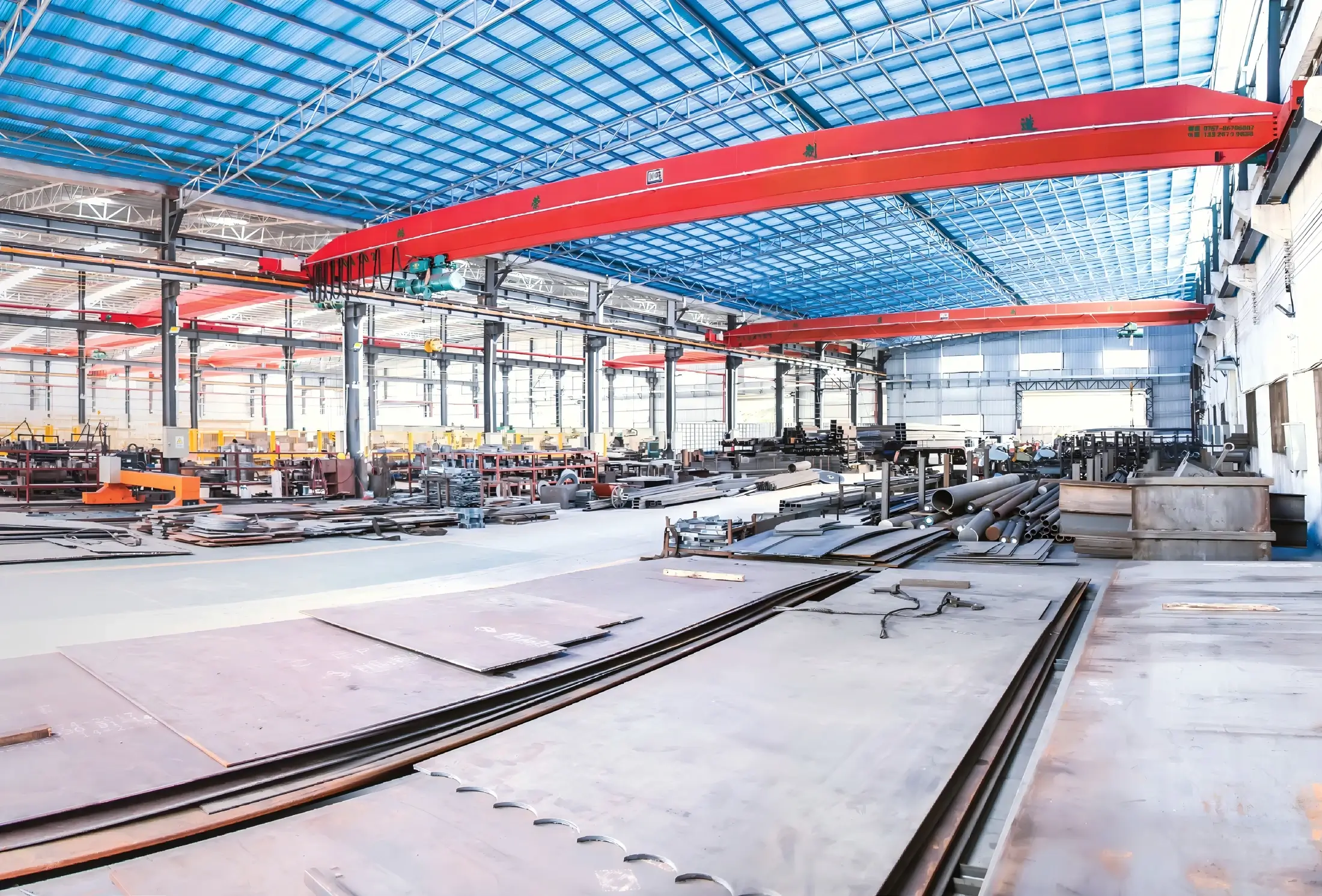
The most consequential omission in a roofing-equipment quotation may be the tool that creates the roof profile. A buyer comparing a Fiber Cement Roofing Sheet Machine Supplier should therefore insist on a drawing of the proposed corrugated product and a separate explanation of how the manufacturing equipment forms, supports and tests that shape. Zhonghong names fiber-cement roofing sheet lines among its production solutions and publishes machinery for fiber-cement slurry preparation, Hatschek and Flow-on forming, green-board cutting, pressing, steam curing, finishing and automation. These are relevant engineering capabilities, but the reviewed equipment catalogue does not show a dedicated roofing profiling machine or roof-profile mould. Procurement should treat that as a document to request, not a model to invent. Buyers can begin with the actual machinery categories while keeping the roof-specific tooling package subject to technical confirmation.
Imagine a distributor already selling one corrugated roof profile and needing a local factory to produce compatible replacement sheets. That buyer’s first risk is profile consistency. A second investor may be considering several profiles but has not yet selected one market-standard product. It may need an evaluation of tooling changes and factory handling instead. Both buyers might request roofing-sheet machinery, but the supplier will not have the same acceptance or equipment scope to prove.
Ask for a roof-tooling drawing before approving the machine price
A usable drawing should define the roof-sheet geometry the customer intends to sell: the corrugation profile, dimensions, overlap conditions and shape relevant to product inspection. EN 494 is an example of a standard that classifies fibre-cement profiled sheets by corrugation height and mechanical characteristics. It is a finished-product specification and does not prescribe one machine design or prove any supplier’s offered line is compliant. The buyer needs a matching product standard where applicable and a tooling schedule that shows which manufacturing process will make the selected shape.
Corrugation geometry belongs in the purchase specification
A supplier can manufacture a reliable fibre-cement sheet-forming machine while still leaving the roof-profile design unresolved. Corrugation height, pitch, length, width and intended overlap affect the finished product and potentially the wet-sheet support system. These are engineering inputs to be agreed, not parameters that can be assumed from the word “roofing.” The present Zhonghong site confirms a roofing-line solution category without listing specific proprietary profile dimensions.
For a distributor replacing an established product, profile compatibility matters to inventory and end-user expectations. A mismatch between production batches can be commercially serious even if every individual sheet appears well manufactured. The buyer should provide an approved reference sheet or detailed drawing and decide who will measure trial products. If another destination standard is relevant, the product engineering team should confirm the correct reference before tooling is approved.
Ask whether the shaping tool is included, engineered or excluded
A machine quotation should distinguish verified equipment from an item that remains to be designed or subcontracted. Request a roof-profile forming or supporting-tool drawing and an explicit statement about its supply, inspection and installation. Do not infer that a flat-board Hydraulic Press, Stripping Machine or Board Stacker is automatically suitable for corrugated sheets merely because these machines appear elsewhere in the Zhonghong catalog.
If a proposal includes a changeable profile system, ask for a demonstration plan and a clear definition of what changes. A broader advertised size range may require different moulds, supports, transfer adjustments or operating procedures. Without drawings, a promise of flexible manufacturing is not a verifiable machine feature. A buyer should value a supplier who identifies these unanswered questions before manufacturing begins rather than after the plant arrives.
Separate proven fibre-cement preparation equipment from roof-specific machinery
Zhonghong documents a Ball Mill for mineral grinding, an Automatic Dosing System that meters a formula and slurry concentration, and a Slurry Storage Tank supplying prepared slurry to forming. Those are identifiable upstream functions in its board equipment range. A proposed roofing project must still decide whether they are configured for the intended fibre-cement sheet material. The raw material and wet-forming process cannot be chosen solely from a catalogue photograph.
A preparation package must show its feed and forming interfaces
For a factory using local mineral feed, the Ball Mill’s task depends on the material to be processed, while the Automatic Dosing System’s task depends on a usable formulation. The supplier should define who tests the inputs, who is responsible for a suitable slurry and how the storage system connects to the forming equipment. The available product material does not establish a universal recipe or fixed grinding result for all roofing applications.
A buyer purchasing equipment for an existing facility should also identify which upstream machinery will remain. A new former may require different feed conditions or controls. A supplier who quotes only the forming unit needs to state the slurry condition assumed at the inlet; a supplier offering the preparation system as well should show the full material path. The contract should make these boundaries inspectable.
Forming method and profiling method are distinct design decisions
The website describes a Hatschek Forming Machine using a multi-cylinder process and a Flow-on Forming Machine based on slurry distribution, dewatering and thickness control. These may be relevant to preparing a wet fibre-cement sheet, but the choice of forming method does not answer how a particular roof profile will be created. A buyer should request evidence connecting the wet sheet to the roofing-specific shaping stage, including the condition in which material is supported.
In a new factory, that interface can influence the position of the forming station and the proposed cutting sequence. In a retrofit, a supplier needs to check whether the retained machinery has sufficient working space and compatible timing. The company offers machinery design and automation services, but the exact roof-profile engineering work must be included explicitly in the order.

How to evaluate cutting and handling on a profiled roof-sheet project
Once a roof sheet has been shaped, the factory must maintain its profile during movement and any subsequent curing treatment. The standard green-board equipment in a flat-board plant cannot be assumed to fit corrugated products. Zhonghong’s Waterjet Cutting System sizes green boards; its Board Stacker uses servo-controlled handling, and its Stripping Machine separates boards from mould plates. The supplier must explain which functions apply to the roofing route, what dedicated support equipment is needed and how the tooling travels through the factory.
Wet-sheet cutting needs a definition of profile position
A green fibre-cement sheet can be cut before, during or after particular shaping operations depending on the production method selected. The correct answer must come from the supplier’s actual roof-sheet process diagram. A buyer should ask how the proposed cut relates to the corrugation profile and how lengths remain consistent across production lots. This matters to a distributor that expects roof sheets to mate with an established profile and to a contractor specifying one particular roof system.
Even if a waterjet cutter has a program for several lengths, its surrounding support arrangement needs to suit the incoming material. A test performed on a flat green board does not prove that a shaped roofing sheet will transfer successfully. The supplier’s machine schedule should identify what material arrives at the cutter and what leaves it. Any dedicated profiling support that is part of that route must be separately documented.
Stacking equipment needs a material support trial, not just a servo test
A Board Stacker can be inspected for its movement and positioning functions before shipment. A roof-sheet handling trial asks a different question: whether the green or partly cured profile remains acceptable through the stacking sequence. The supplier should identify the support shape, intended sheet range and any material carrier that accompanies it. There is no documented evidence that the site’s standard flat-board stacker is guaranteed suitable for all corrugated profiles.
Suppose the receiving stage stops while wet material is already approaching from forming. The controls and mechanical handling must prevent avoidable damage and allow an appropriate restart. This requirement can influence the proposed stacker, buffer arrangement or profile carriers. The purchasing team should ask for an operating sequence, not just a line-speed claim or a video of the mechanism moving without sheets.
A roofing-machine supplier should separate curing, finishing and roof testing
Zhonghong lists an Autoclave Curing System for applicable fiber-cement and calcium-silicate board routes and offers Board Splitters, Sanding Machines, Grinding & Chamfering Machines and cured-board cutting equipment. These items have documented functions in its broader board production range. Whether each applies to a profiled roofing-sheet project must be justified by the process and the intended finished product, not assumed from a flat-board plant diagram.
A curing-load plan should include the corrugated supports
For a shaped sheet, the support system can affect how material is arranged for treatment. A nominal autoclave volume is not enough to establish accepted roof-sheet output. Ask for a proposed load plan, the movement of sheets and carriers into and out of curing, and the validation tests that apply to the materials. The website does not publish a roofing-specific curing cycle, so it would be misleading to copy a time, pressure or batch yield from an unrelated plant.
Zhonghong also lists a Shuttle Car used for moving board or mould-plate trolleys between production stages. Its possible involvement should be evaluated against the actual carrier arrangement. A buyer needs to know whether trolleys, profile supports and related handling machines are included in the supplier’s scope and which components the factory owner must provide. These decisions belong on a process-flow drawing before the machinery package is finalized.
Roofing-sheet acceptance should measure the profiled finished product
EN 494 describes product requirements and test methods for certain profiled fibre-cement sheets, with categories based on corrugation height and mechanical characteristics. It does not provide all requirements for an installed roof, which may depend on design, supports, fastening, weatherproofing and local rules. The machine supplier should demonstrate what the equipment can make; the product manufacturer must establish compliance of the actual roofing sheet with the relevant testing requirements.
For factory acceptance, distinguish machine movement and installation checks from trials using the intended profile. A finished-sheet test may evaluate geometry and mechanical characteristics that cannot be inferred from a workshop demonstration of a forming machine alone. The buyer should request an evidence record showing what was checked and which product properties remain subject to formal evaluation. No unknown supplier certification should be added to the article or quotation.

What belongs in the supplier’s workshop and shipment evidence?
Equipment procurement should include drawings, machine identity, inspection points, packing records and the services needed to install the system. Zhonghong describes engineering, manufacturing, electrical automation, installation, commissioning and production support. Those are documented service categories, but they do not establish a fixed machine warranty, export packing method or delivery period for every roofing-sheet project.
Roof-profile moulds and carriers should have independent identification
Where profiling tooling is included, it should be named and identified as a deliverable. A future replacement or another tooling set may depend on drawings and dimensions that factory staff need to retrieve years later. A supplier offering only a general machinery schedule should be asked to add the relevant tooling detail or identify it as outside scope. The same applies to supports and any special carriers needed during green-sheet handling or curing.
For international transport, a formed steel assembly, electrical cabinet and dedicated mould may require different packaging and handling methods. The exact arrangements should be supplied for the order; no generic statement about seaworthy packaging proves what will actually arrive. The purchasing file should connect each shipment to the installed factory layout and identify who will unload and assemble it.
Commissioning should prove one roof profile before claiming a full product range
A first production trial should identify the accepted sheet geometry, applicable tests and the material and process assumptions used. The trial must follow the product across forming, profiling, handling and any curing and finishing required. Only after that product is repeatable should the factory evaluate another profile or formulation. Promising a wide catalogue before the first roof sheet has passed its acceptance requirements creates avoidable disputes.
The roof-sheet production-line design guide explains how the product profile influences the whole plant. Zhonghong’s company engineering overview covers its wider manufacturing and project services. Neither substitutes for the profile-tooling drawings and sample-sheet verification that the roofing-machine buyer requires. A clear supplier offer acknowledges both the genuine upstream machinery available and the roof-specific equipment still to be confirmed.
A purchaser should leave the supplier review with three things: the selected profiled roofing product, an identifiable list of machines and tooling, and a test plan showing how production will demonstrate the required shape and board performance. Without them, a low machine price may conceal the most important part of the roofing-sheet factory.